

2026 Toyota Prius Plug-In Hybrid vs. Kia Niro PHEV: Which Is Right for You?
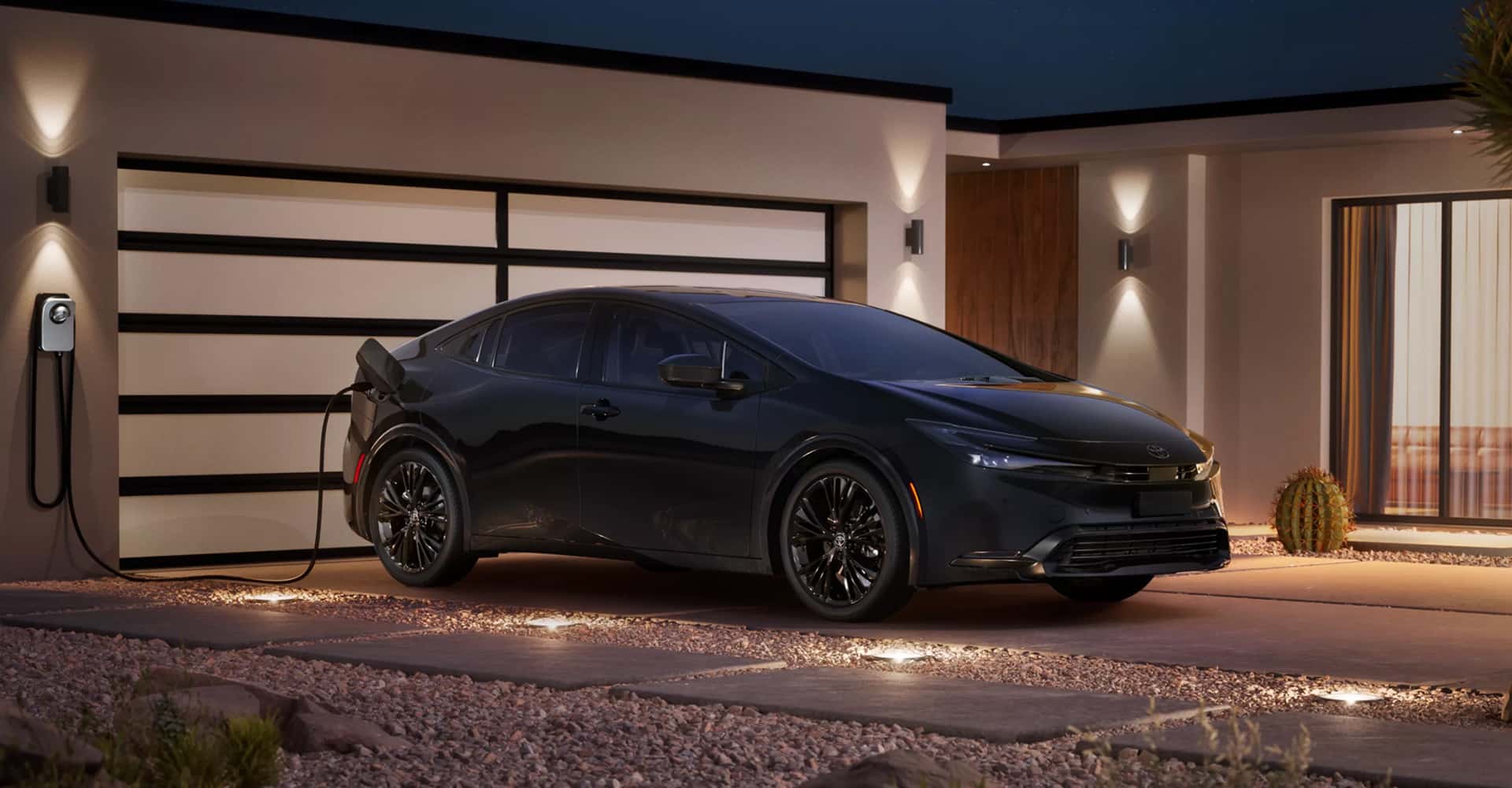
The 2026 Toyota Prius Plug-In Hybrid and the 2026 Kia Niro PHEV both offer all-electric capability for daily driving and hybrid range for longer hauls, but they arrive at that promise differently. The 2026 Toyota Prius Plug-In Hybrid brings Toyota’s fifth-generation hybrid platform to the plug-in segment with a longer all-electric range, a more powerful combined powertrain, and a striking redesign that rewrites what a Prius looks like. The Niro PHEV answers with a subcompact crossover format, a lower entry price, and Kia’s competitive cabin technology. For buyers in Santa Cruz doing their homework on which plug-in hybrid to bring home, here is how the two actually compare.
Ready to see the Prius Plug-In Hybrid in person?
EV Range and Performance
The Prius Plug-In Hybrid holds a clear advantage here, and this is the most important comparison in any plug-in hybrid purchase. Toyota’s fifth-generation PHEV system delivers substantially more all-electric range than the Niro PHEV, which means more of your daily driving around Santa Cruz County can happen on electricity before the gasoline engine ever comes online. For buyers who plug in at home each night, that range difference represents real savings in fuel spending across a year of routine commuting. The combined system powering the Prius Plug-In Hybrid also produces significantly more total horsepower than the Niro PHEV’s setup, making the Toyota the more responsive vehicle in everyday situations, from merging onto Highway 1 to navigating stop-and-go surface streets. The Niro PHEV delivers adequate performance for daily use and will not leave drivers feeling underpowered, but the Prius Plug-In Hybrid’s output advantage is genuinely noticeable from behind the wheel. Once the battery is depleted and both vehicles operate in hybrid mode, the Prius Plug-In Hybrid also maintains an efficiency edge over the Niro PHEV, so the fuel economy story does not stop at the end of the electric range.
Features and Trim Value
Both vehicles come well-equipped at their base configurations, and Kia has invested meaningfully in making the current-generation Niro competitive on cabin technology. The Niro PHEV includes a respectable standard feature list and a screen-forward interior that reflects where Kia’s current design priorities sit. The 2026 Prius Plug-In Hybrid counters with Toyota Safety Sense bundled into every trim at no additional cost, covering pre-collision warning, automatic emergency braking, lane departure alert, and adaptive cruise control as standard equipment across the entire lineup. In a segment where competitors sometimes hold safety technology back for higher trim levels, this is a structural advantage the Prius Plug-In Hybrid carries at every price point. Moving up the Prius Plug-In Hybrid trim ladder adds a larger touchscreen, premium audio, a heated steering wheel, and additional comfort features in meaningful increments. Both vehicles satisfy most buyers at the entry level, but the Prius Plug-In Hybrid’s across-the-board standard safety suite is a consistent differentiator that holds regardless of which trim you choose.
Interior and Space
The Niro PHEV earns a genuine point here. As a subcompact crossover, it offers more cargo room behind the rear seats than the Prius Plug-In Hybrid’s liftback design, and its higher seating position is a real preference factor for buyers who prioritize the feel of an SUV. If cargo volume and ride height are leading priorities, the Niro PHEV makes a legitimate case for itself, and dismissing it would be dishonest. The Prius Plug-In Hybrid responds with a more refined interior environment. The fifth-generation redesign gave the Prius a driver-focused console, a cleaner dashboard layout, and a more premium material quality than the platform had carried in previous generations. The difference is visible when you sit in both vehicles back to back. Rear seat passenger room is comparable between the two for everyday use, and neither cabin feels cramped for typical occupants. For buyers whose top consideration is interior quality and design cohesion over cargo measurements, the Prius Plug-In Hybrid holds the edge, and its exterior design carries through to the cabin in a way the Niro does not fully match.
Pricing and Value
The 2026 Kia Niro PHEV starts at a lower price than the 2026 Toyota Prius Plug-In Hybrid at comparable trims, and that is an honest point in the Niro’s favor. For buyers with a firm budget ceiling, the difference is worth knowing. The value equation shifts, however, when the Prius Plug-In Hybrid’s all-electric range advantage is factored in alongside total ownership cost. More electric range means more miles driven on electricity and less money spent on gasoline across the life of the vehicle, and that gap compounds over years of ownership. The Prius Plug-In Hybrid also qualifies for federal clean vehicle tax credits for eligible buyers, which can significantly close the out-of-pocket gap between the two vehicles at purchase. California buyers additionally have access to state-level incentive programs that apply to qualifying plug-in vehicles, further strengthening the Prius Plug-In Hybrid’s cost position. When the full picture accounts for available incentives and fuel savings, the Prius Plug-In Hybrid’s premium over the Niro PHEV becomes a much shorter argument.
Safety and Warranty
Both vehicles perform well on safety, and IIHS testing of the current Prius and Niro generations reflects well on each. Buyers do not have to compromise on safety choosing either vehicle. The Kia Niro PHEV is backed by one of the industry’s stronger warranty programs, offering competitive basic and powertrain coverage that gives buyers meaningful long-term protection. Toyota’s warranty on the Prius Plug-In Hybrid is supported by something Kia has not yet accumulated: decades of real-world hybrid and plug-in hybrid powertrain data. Toyota’s hybrid reliability record is one of the longest and most consistently documented in the automotive industry, and that track record has a direct bearing on how confidently buyers can expect the powertrain to perform over a full ownership period. For buyers who weigh long-term dependability heavily in a PHEV purchase, Toyota’s history with hybrid technology is a credibility that goes beyond what any warranty document can capture on its own.
Verdict: Why the 2026 Toyota Prius Plug-In Hybrid Is the Stronger Choice
Buyers who prioritize cargo space or a crossover seating position have a genuine reason to consider the Niro PHEV, and it is a vehicle that earns consideration fairly. But the 2026 Toyota Prius Plug-In Hybrid makes a stronger overall case for the buyer who chose a plug-in hybrid specifically to maximize daily electric driving and reduce fuel costs over time. The all-electric range advantage is the single most important differentiator in this comparison, and it drives real savings from the first week of ownership. Add a more powerful combined system, better hybrid-mode efficiency, Toyota Safety Sense standard on every trim, and Toyota’s unmatched hybrid powertrain track record, and the Prius Plug-In Hybrid delivers more of what PHEV buyers are actually looking for when they walk into this segment. The 2026 Toyota Prius Plug-In Hybrid is available now at Santa Cruz Toyota in Capitola, where the team can walk you through current inventory, available trim configurations, and the clean vehicle incentives that apply to qualifying buyers in California.
More from Santa Cruz Toyota
2026 Toyota Grand Highlander vs. Ford Explorer: Which Three-Row SUV Delivers More?
The 2026 Toyota Grand Highlander and the Ford Explorer are two of the most recognized names in the three-row SUV segment, and both make a strong case for families shopping near Capitola. The Explorer brings a lower entry price and a high-output V6 option that pushes output to 400 horsepower. But the 2026 Toyota Grand…
2026 Toyota Grand Highlander vs Honda Pilot
For families shopping three-row SUVs near Capitola, the 2026 Toyota Grand Highlander and the Honda Pilot are two of the most capable options in the segment, and for good reason. Both seat eight, tow 5,000 pounds when properly equipped, and come loaded with the safety technology modern families expect. But there is one dimension where…
0 comment(s) so far on 2026 Toyota Prius Plug-In Hybrid vs. Kia Niro PHEV: Which Is Right for You?